
Whitby neighbourhood guide

Downtown Whitby

Downtown Whitby is the nineteenth-century town at the Four Corners of Brock and Dundas streets, the seat of the former Ontario County and still the civic and social centre of the municipality. Peter Perry opened a store here in 1836, the settlement carried the Whitby name by the late 1840s and incorporated as a town in 1855, and the county courthouse of 1854 on Centre Street South survives as the Centennial Building and Courthouse Theatre. Trafalgar Castle, built for Sheriff Nelson Reynolds in the early 1860s, has housed a girls' school since 1874. The streets follow the original Perry's Plan and Werden's Plan grids, so blocks are short and walkable, lined with Victorian and Edwardian homes, interwar bungalows and postwar side streets, with mid-rise apartments and condominiums gathering along Dundas and Brock. Brock Street south of the corners is the town's restaurant and bar row, the central library and Celebration Square anchor Dundas Street West, and the farmers' market sets up there in summer. Buyers range from young households who want to walk to dinner and the 900 bus, to renovators of century homes and downsizers moving into a condo a block from everything.

Downtown Whitby homes by the numbers

Live from the MLS® feed · updated October 8, 2026

38 For sale now
24 New in 30 days
$754,900 Median asking price Middle half $569K to $885K
$546 Asking price per sq ft
24 days Median days listed
5% Listings with a price cut Median cut 7.3%

What is for sale: 18 detached homes · 11 condos · 5 townhouses · 4 semi-detached homes

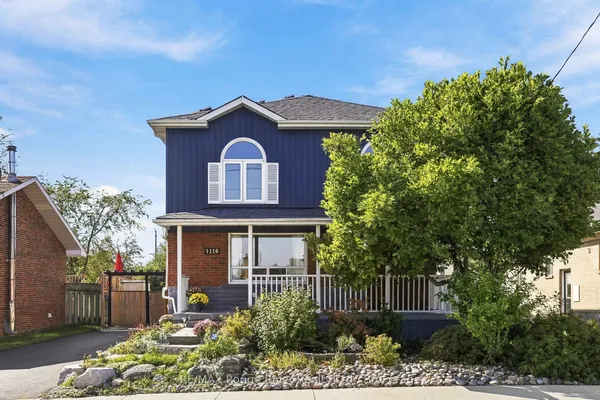
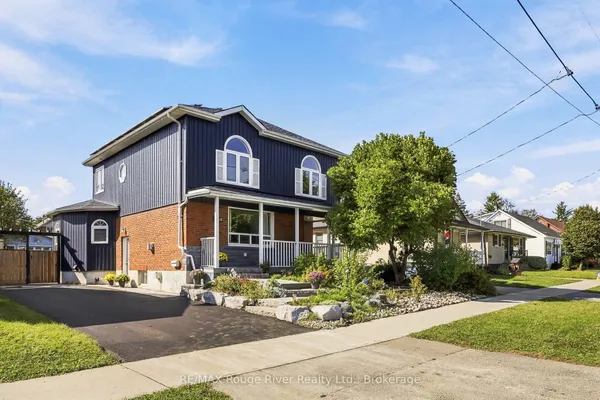
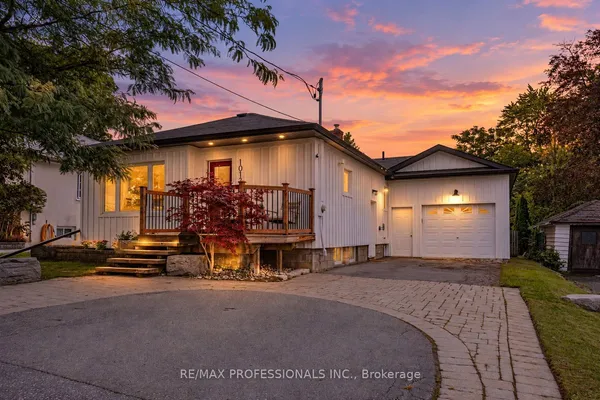
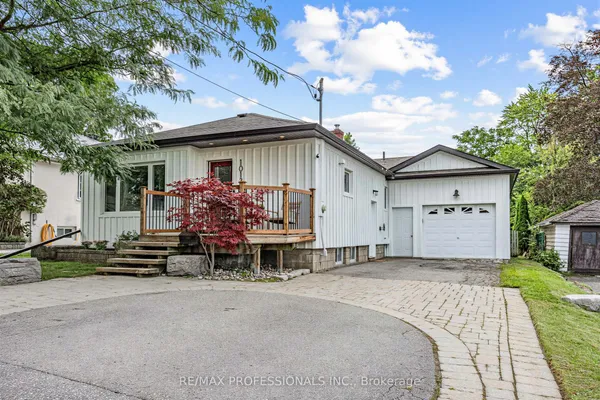
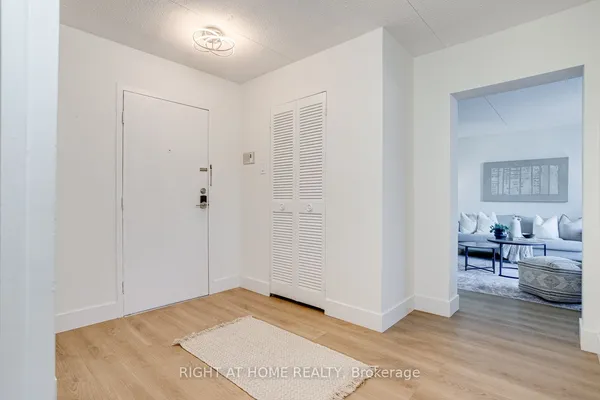
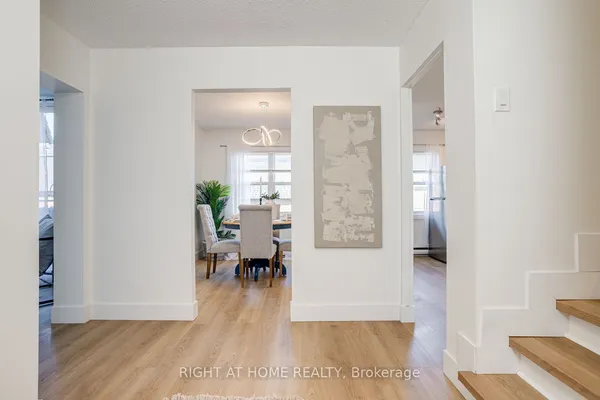
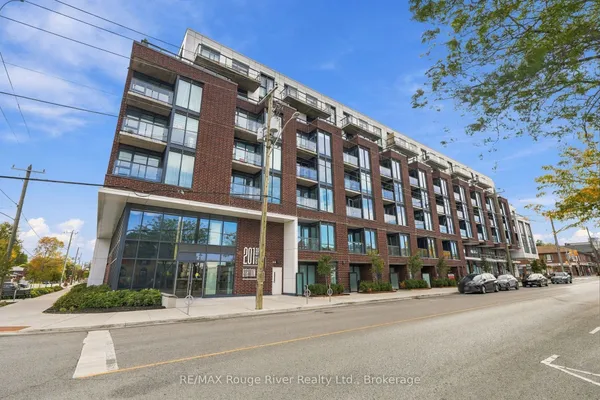
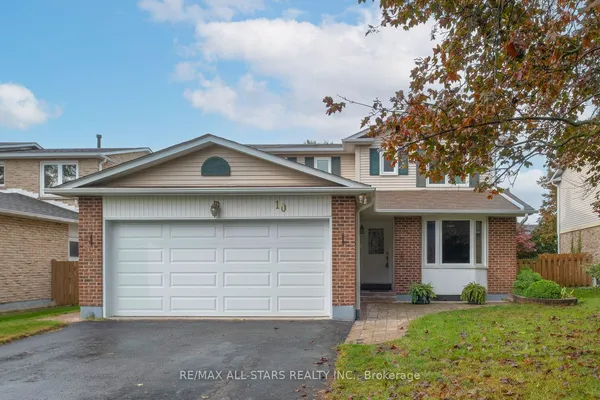
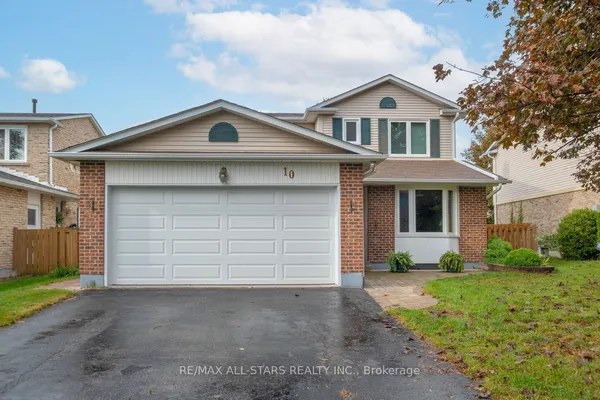
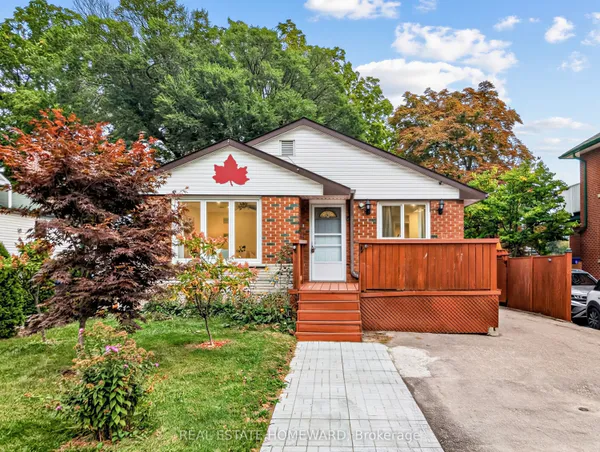
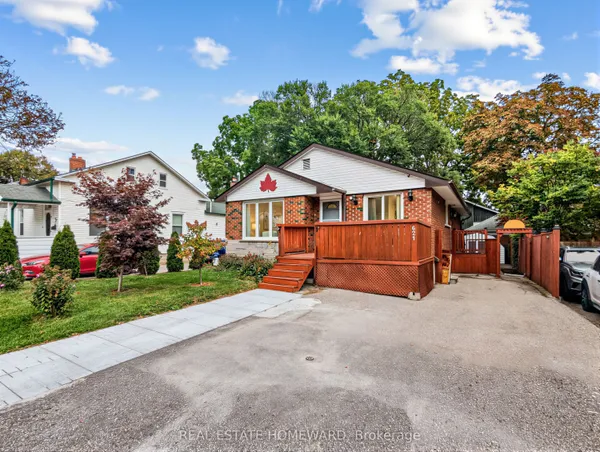
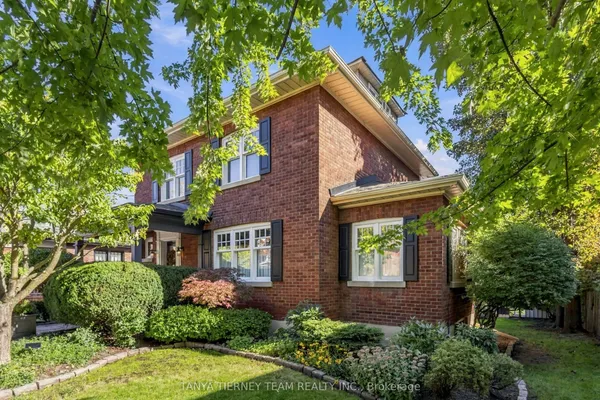
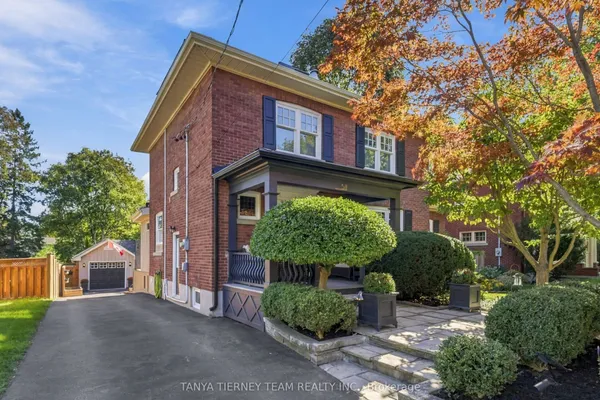
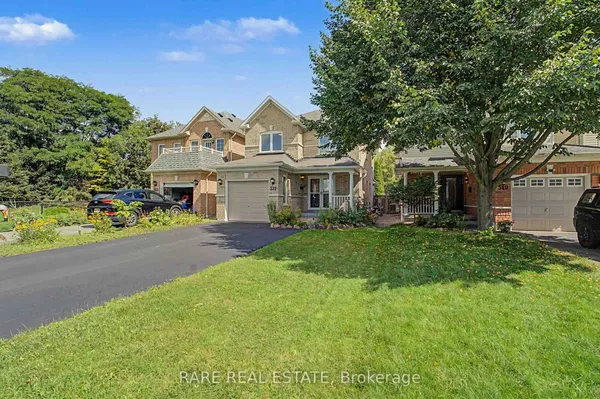
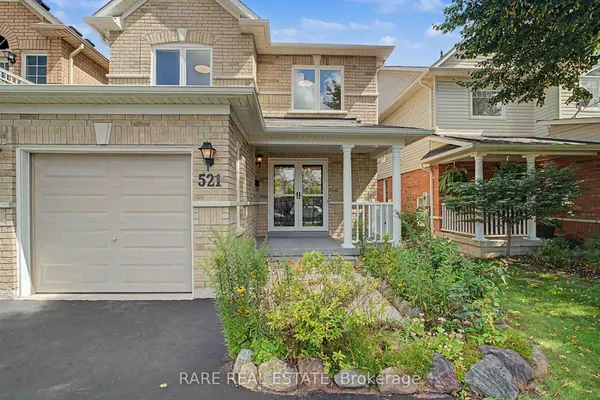
Newest Downtown Whitby homes for sale

See all 39 listings

New Downtown Whitby homes for sale land here first. Save this search and we email you the moment one is listed.

Where Downtown Whitby sits

Downtown Whitby is the original town around the Four Corners, where Brock Street (Highway 12) crosses Dundas Street (Highway 2). The TRREB community covers roughly the area from Highway 401 north to Rossland Road, between about Annes Street and Cochrane Street on the west and Garden Street on the east. Everything south of the 401 is Port Whitby, and Pringle Creek starts east of Garden Street.

The homes you will find

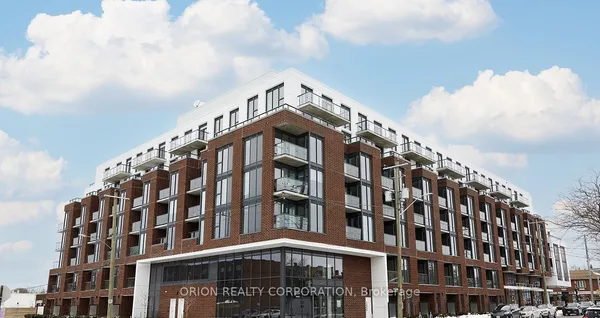
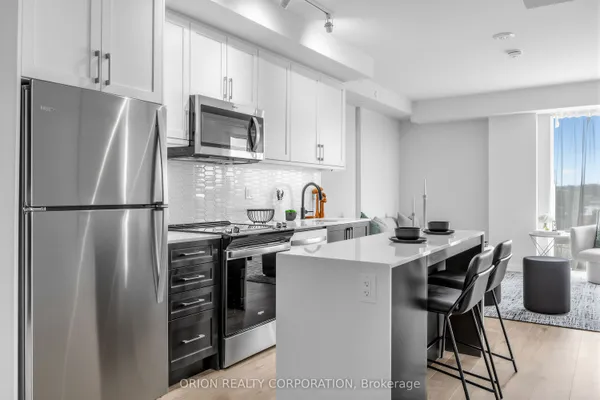
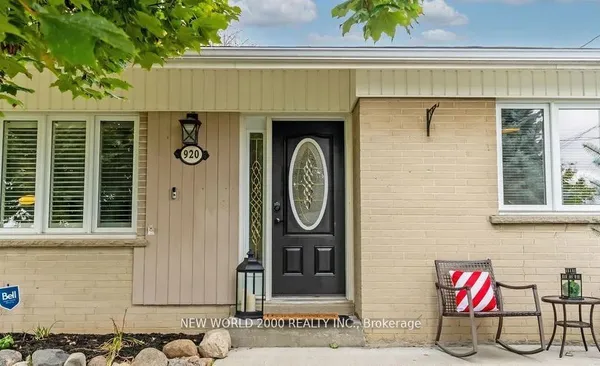
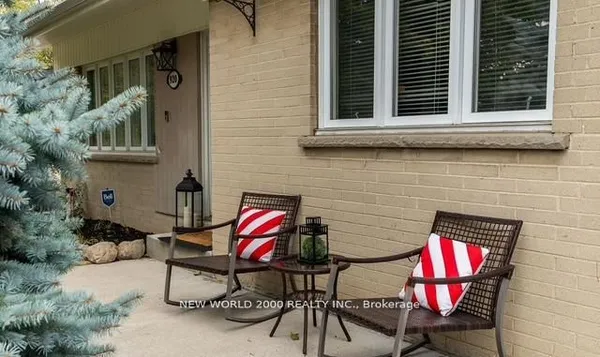
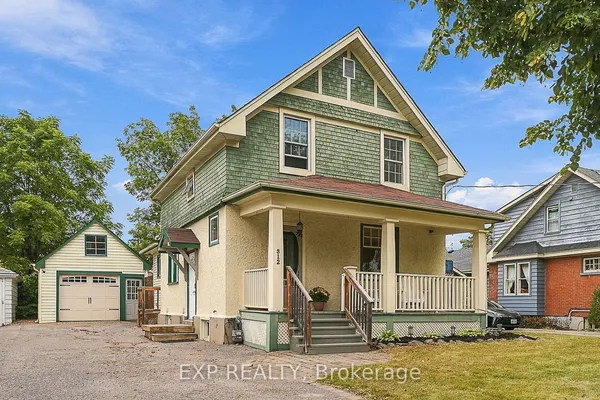
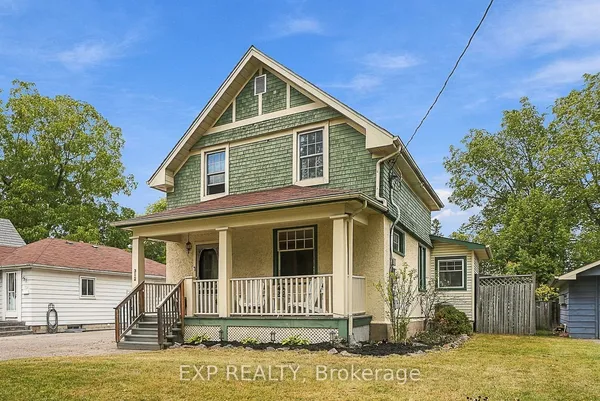
The core blocks east and west of Brock Street, on Byron, Centre, Athol, Green, Perry, Colborne and Mary streets, carry the town's oldest housing: Italianate, Gothic Revival and Queen Anne houses from the 1850s to the 1900s, many listed on the Town's heritage register and some inside the Werden's Plan Heritage Conservation District. A ring of 1920s to 1940s bungalows and one-and-a-half-storeys follows, then 1950s and 1960s subdivisions of bungalows and split-levels toward the 401 and out to Garden Street. North toward Rossland Road the stock turns to 1970s and 1980s two-storeys and semis. Condominiums are a real option here, unlike most of Whitby: low-rise apartment buildings from the 1980s and 1990s on and near Dundas and Brock, newer mid-rise projects along Dundas Street, and stacked and freehold townhouses on infill sites. Lots in the old grid are narrow but deep, often with a detached garage reached by a mutual driveway, and a few blocks still have rear lanes.

Getting around

This is the one Whitby community where a car is optional for daily life. PULSE 900 runs along Dundas Street about every ten minutes at peak, linking downtown to Ajax, Pickering, Scarborough and downtown Oshawa, and routes 302 on Brock Street, 319 on Garden Street and 301 on Annes Street all end at Whitby GO, a short ride south of the 401. Trains on the Lakeshore East line leave every fifteen minutes on weekdays and take about an hour to Union Station, and GO buses serve the station too. Drivers reach Highway 401 at Brock Street in a couple of minutes, and Highway 12 north through Brooklin meets the 407. Walking is easy on the grid, and the Waterfront Trail and Whitby Harbour are a bike ride down Brock Street. Parking downtown mixes free short-term street spaces with municipal lots behind the storefronts.

Schools

The public board serves the old town with E.A. Fairman Public School on Walnut Street West, Julie Payette Public School on Garden Street, which offers French immersion from grade 1, and Sir William Stephenson Public School on Athol Street near the 401. Secondary students head to Henry Street High School, which follows a modified balanced calendar, or Anderson Collegiate on Anderson Street, home to the gifted and French immersion programs. Catholic families are assigned to St. John the Evangelist on Giffard Street or a neighbouring Durham Catholic elementary school, with Father Leo J. Austin as the Catholic high school. Trafalgar Castle School, the independent girls' school on Reynolds Street, is downtown's landmark private option. School boundaries are set by the boards and change, so verify the catchment with each board before you rely on it.

Parks, shopping and daily life

Daily life happens on foot. Brock Street South holds most of the restaurants, pubs and a craft brewery, Dundas Street carries banks, bakeries and the Whitby Public Library's central branch, which opened in 2005 beside Celebration Square, and the Whitby Farmers' Market sets up there on summer Wednesdays. Peel Park and the small parks tucked into the grid give the old town its green space, the Whitby Courthouse Theatre performs in the 1854 courthouse, and the Station Gallery and the harbour are a short ride south. Groceries sit at the edges: plazas on Dundas Street West near Annes Street and on Dundas Street East toward Garden Street, with the larger stores at Thickson and Dundas. Lakeridge Health's Whitby site on Gordon Street handles rehabilitation, dialysis and clinics rather than emergencies, so the nearest emergency department is Lakeridge Health Oshawa. Whitby Town Hall on Rossland Road East is a few minutes north.

Who it suits

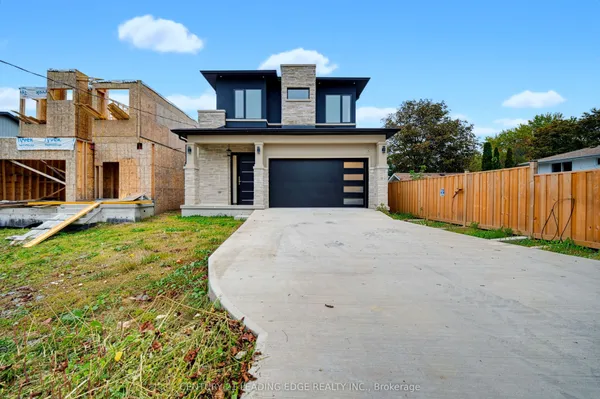
Downtown Whitby suits people who would rather walk to coffee, dinner and the bus than own a second car, buyers who love a Victorian porch and are willing to live with old plaster and the odd knob-and-tube surprise, and downsizers who want a condo within a block of the library and the market. It suits fewer people who want a new house with a double garage, since new construction here means condos and infill, and families who need a big level yard will find the old lots narrow. Brock Street nightlife brings weekend noise to the nearest blocks, and heritage rules limit exterior changes on designated homes.

Questions people ask about Downtown Whitby

Is Downtown Whitby walkable to the GO station?

The station sits south of the 401 at Brock Street and Victoria Street, roughly a twenty-five to thirty-minute walk from the Four Corners, so most people take the 302 or 301 bus, cycle, or drive to the parking structure. Lakeshore East trains depart every fifteen minutes through the weekday, with express runs in the rush hours.

What does a heritage designation mean for a downtown house?

Whitby keeps a heritage register of listed and designated properties, and the Werden's Plan district adds a second layer of review. Designated owners need a heritage permit for exterior alterations, additions or demolition; listed properties face a waiting period before demolition. Interiors are not regulated, and the Town's heritage tax rebate may help with restoration costs.

Are there condos and apartments downtown?

Yes, more than anywhere else in Whitby. Low-rise condominium buildings from the late 1980s onward sit along Dundas and Brock streets, several mid-rise projects have been approved or built along Dundas Street under the Official Plan's downtown intensification policies, and purpose-built rentals are reportedly returning. Older walk-ups and basement suites supply the rest of the rental market.

How busy and noisy is Brock Street?

Brock Street South is the town's night-out strip, so the blocks nearest it hear patios and pub traffic on Friday and Saturday nights, and Dundas Street carries steady traffic and buses all day. One or two streets over, on Byron, Centre or Athol, evenings are quiet. Walk the block at eleven on a Saturday before you commit.

Is the old town changing?

Yes. The Town's downtown planning policies direct mid-rise growth to Dundas and Brock streets, several sites have been approved for taller buildings, and streetscape work has added patios and wider sidewalks. Expect construction on the main streets over the next decade, while the residential grid behind them stays protected by heritage listings and low-rise zoning.

Sources: en.wikipedia.org · en.wikipedia.org · en.wikipedia.org · en.wikipedia.org · en.wikipedia.org · en.wikipedia.org